
Choosing between Sling TV and DIRECTV can be a tough decision, especially with so many options available in the streaming and cable TV world today. Both services offer live TV, but they cater to different needs and viewing habits.
If you’re someone looking to cut the cord and enjoy a streamlined, budget-friendly TV experience, Sling TV might be your best bet.
On the other hand, if you’re a TV enthusiast who values an extensive channel lineup, premium content, and a more traditional TV setup, DIRECTV might be the better choice.
Sling TV, which launched in 2015, stands out with its affordability and flexibility. It’s an internet-based service that allows viewers to select only the channels they want, with no contracts required.
It’s perfect for cord-cutters who prefer to pay only for the content they use and want the freedom to adjust their plans as needed. While it offers fewer channels than DIRECTV, it provides core content at a much lower price point.
In contrast, DIRECTV has long been a leader in the satellite TV industry and has expanded into streaming with DIRECTV STREAM.
The service offers a broader selection of channels, including exclusive sports and premium networks, and comes with a more traditional TV experience.
Though more expensive, DIRECTV is well-suited for people who want a full-fledged TV service with a rich channel lineup and additional perks like extensive DVR options.
In this comparison, we’ll break down these two services in detail to help you make the best choice for your entertainment needs.
Sling TV
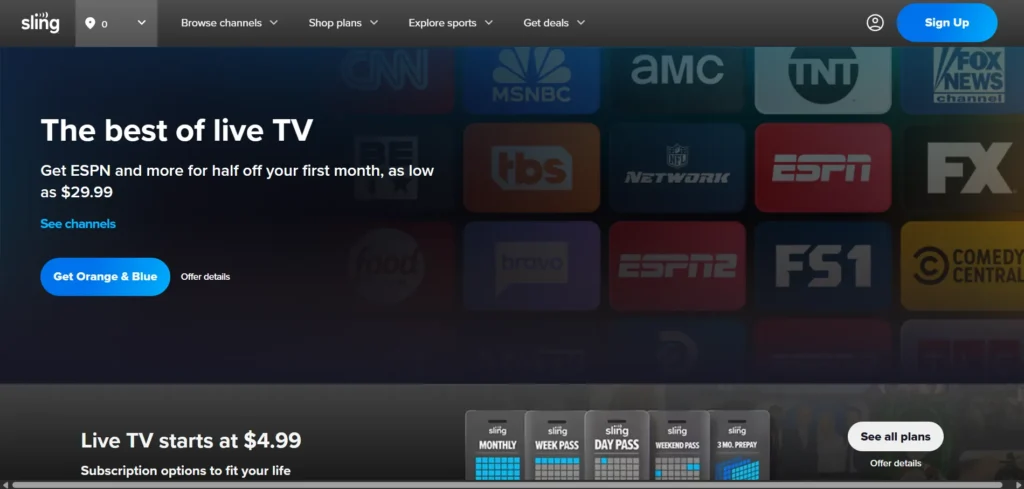
Sling TV was launched in 2015 by Dish Network, offering an affordable and flexible way to stream live TV. Its goal is to appeal to cord-cutters who want to enjoy live TV without the burden of long-term contracts or expensive satellite dishes.
Sling TV is an internet-based service, which means it only requires an internet connection and a compatible device to stream live TV.
One of the key selling points of Sling TV is its affordability. With its base plans starting at just $40 per month, it’s one of the most budget-friendly live TV streaming services available today.
It offers two main plans, Sling Orange and Sling Blue, and gives users the option to mix and match them.
Furthermore, Sling TV is widely compatible with most streaming devices, including Roku, Apple TV, Amazon Fire Stick, and Android and iOS devices.
Sling TV also provides an excellent degree of flexibility. Users can choose from a variety of add-ons and channel packs to tailor their subscription to their needs.
While it doesn’t offer as many channels as traditional cable services, it provides an essential lineup of content that can suit a variety of tastes.
DIRECTV
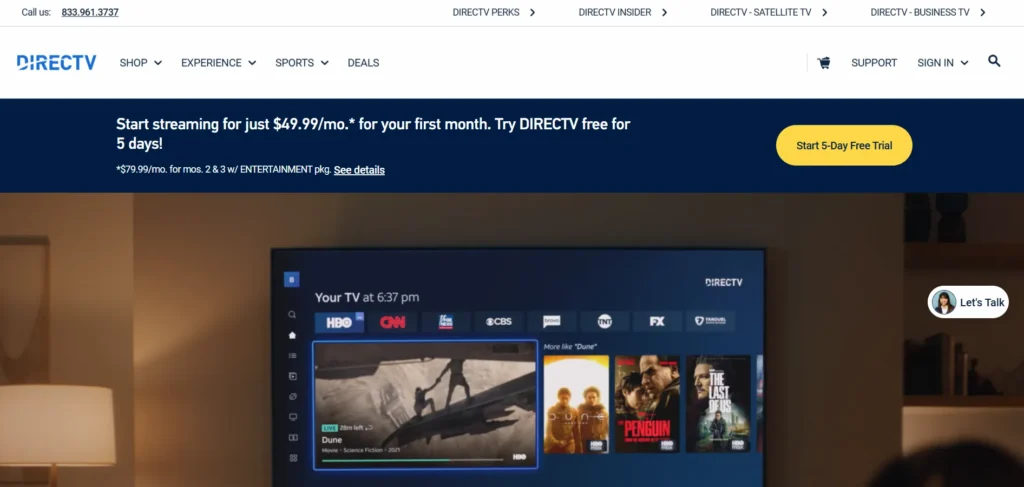
DIRECTV, owned by AT&T, is a traditional satellite television provider. However, it also offers streaming services under the name “DIRECTV STREAM,” which provides the same channels as the satellite service but via the internet.
For the purpose of this comparison, we will focus on both the satellite and streaming aspects of DIRECTV to cover its full range of offerings.
DIRECTV is known for providing a more comprehensive TV experience compared to services like Sling TV.
It offers a large variety of channels, including sports, entertainment, news, and premium networks such as HBO and Showtime.
With a strong emphasis on live sports and exclusive channels, DIRECTV is favored by sports enthusiasts and people looking for a wider selection of content.
DIRECTV’s pricing starts higher than Sling TV, but it offers a more robust channel lineup with plans that include over 150 channels.
Additionally, it provides premium features such as advanced DVR options and a more traditional TV interface, making it a preferred choice for users who are accustomed to cable or satellite television.
Features Comparison: Sling TV vs DIRECTV
When comparing Sling TV and DIRECTV, there are several features to consider: channel lineup, device compatibility, DVR capabilities, and more. Let’s break down the most important aspects of both services.
1. Channel Lineup
Sling TV:
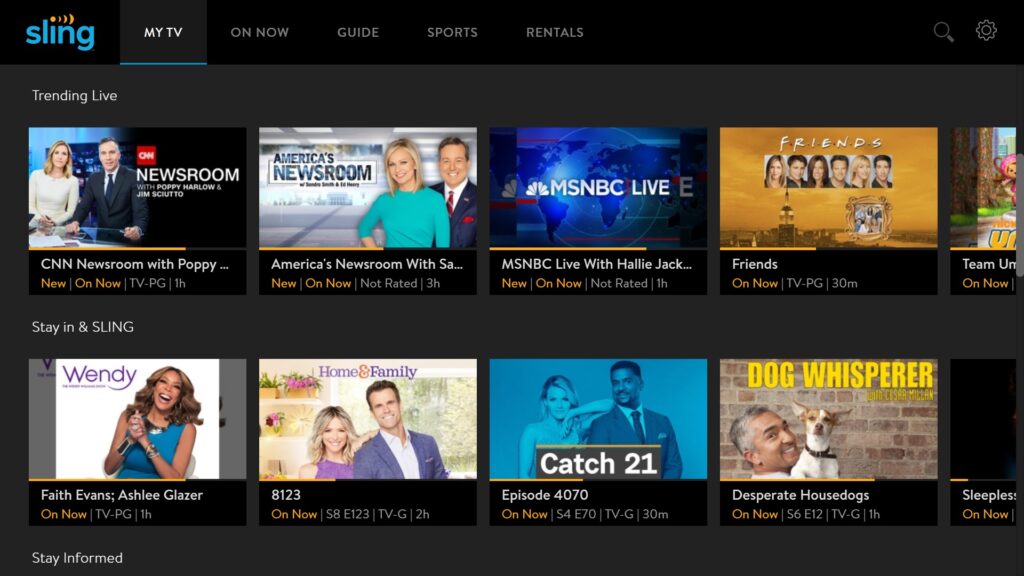
Sling TV offers a more minimalist approach to channel selection. The service has two base packages—Sling Orange and Sling Blue.
Sling Orange costs $40 per month and includes a more family-friendly selection of channels, including ESPN, AMC, and CNN.
Sling Blue, also priced at $40 per month, includes channels like Fox, NBC, and the NFL Network. The two packages complement each other, but each also has exclusive channels, so you can mix and match depending on your preferences.
Sling TV’s channel selection is great for those who don’t mind a streamlined approach but can feel lacking for those who want everything under one roof.
For example, Sling TV does not provide local channels in all areas, and sports coverage is somewhat limited compared to traditional cable or satellite services.
Additionally, users can add extra packs such as the Sports Extra or Kids Extra, but the base channel lineup is minimal in comparison to DIRECTV.
DIRECTV:
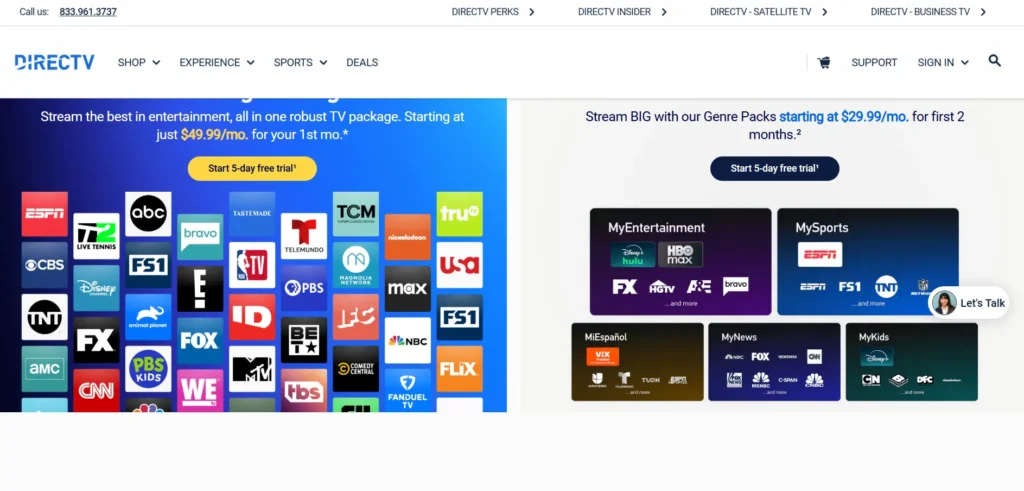
DIRECTV’s channel lineup is significantly more expansive. With over 150 channels included in the base package, including popular networks like ESPN, CNN, ABC, and local channels, DIRECTV offers a comprehensive selection of live TV, sports, entertainment, news, and more.
This makes it a more complete option for families or those who enjoy a wide variety of content.
Additionally, DIRECTV has the advantage of offering local broadcast channels and regional sports networks (RSNs), which is a huge benefit for sports fans and anyone who prefers to watch local news.
Premium content like HBO, Showtime, and other movie channels are also included in some packages, making it a well-rounded choice for entertainment seekers.
While Sling TV users can add specific channel packs or premium networks, DIRECTV bundles many of them together in its base offerings, which is a big advantage for users looking for more variety and convenience.
2. DVR and Recording Options
Sling TV:
Sling TV offers a cloud DVR feature that allows users to record their favorite shows and movies for later viewing. The service used to have a more limited storage capacity, but it has since introduced the option for unlimited cloud DVR for an additional fee.
The standard DVR allows for 50 hours of recording, which can be expanded with the unlimited DVR add-on for $5 per month.
While the cloud DVR feature is convenient, it still lags behind the DVR options provided by traditional TV services in terms of functionality.
The user interface isn’t as advanced as DIRECTV’s, and some users find it less intuitive for managing recordings.
DIRECTV:
DIRECTV offers a more robust DVR experience, including both traditional satellite DVR and streaming DVR options.
With its satellite plans, users can enjoy the Genie HD DVR, which allows them to record up to five shows simultaneously and store up to 200 hours of HD programming.
The cloud DVR feature for DIRECTV STREAM is also impressive, with unlimited recording options for a higher price.
DIRECTV’s DVR experience is generally regarded as superior to Sling TV’s, offering better storage capacity, more simultaneous recordings, and more user-friendly management.
3. Device Compatibility and Streaming
Sling TV:
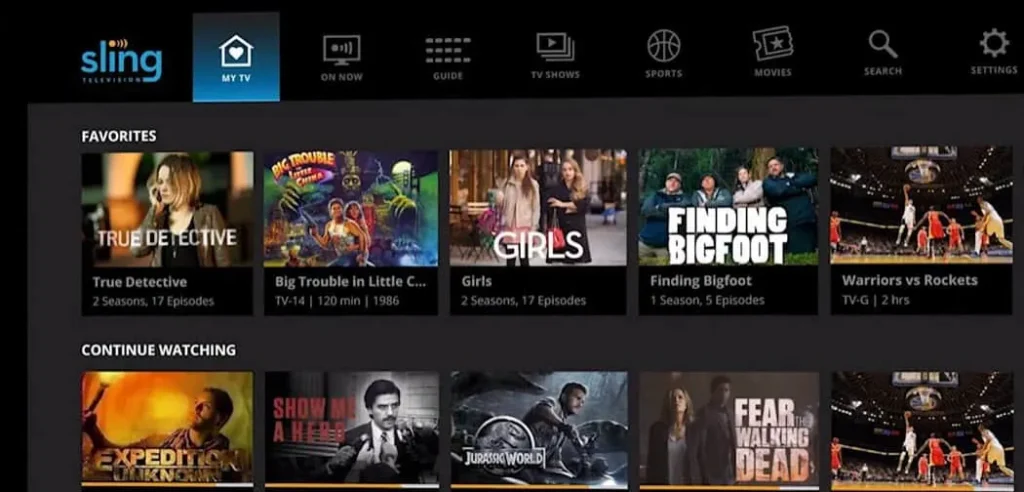
Sling TV is compatible with a wide range of devices, including Roku, Amazon Fire TV, Apple TV, Chromecast, Xbox, and more. Additionally, it is available on smartphones and tablets via iOS and Android apps.
This makes Sling TV a highly flexible service for people who want to watch on various devices at home or on the go.
Because Sling TV is an internet-only service, it requires a stable internet connection to stream. As long as you have a compatible device and a strong internet signal, you can access Sling TV’s content.
DIRECTV:

DIRECTV is available both via traditional satellite dishes and through internet-based streaming. For streaming, it works across a variety of devices, including Roku, Amazon Fire TV, Apple TV, smart TVs, and mobile apps.
The satellite option doesn’t require an internet connection to watch TV, but the streaming service does.
If you’re using the satellite option, you will need to install a satellite dish at your home, which can be a hassle for renters or those living in areas with limited signal access.
The streaming option removes this requirement but still offers many of the same benefits as the satellite service.
4. Video Quality and Streaming Reliability
Sling TV:
Sling TV offers HD streaming up to 1080p, which is the standard for most streaming services. However, the quality may depend on your internet connection.
If your internet connection is slow, you might experience buffering or lower video quality. Additionally, the service may not always deliver the same level of reliability and consistency as traditional cable or satellite TV services.
DIRECTV:
DIRECTV also provides HD streaming (up to 1080p), but the reliability of its satellite service is generally better than Sling TV’s.
Because satellite TV is delivered via a satellite dish, it doesn’t rely on the internet, meaning it’s less prone to buffering or connection issues.
However, if the weather is bad or the dish gets obstructed, you might experience service interruptions.
The streaming service does rely on a strong internet connection, but it benefits from the same reliable video quality as its satellite counterpart.
Pricing Comparison: Sling TV vs DIRECTV
Price is often a deciding factor when it comes to choosing a TV service. Let’s take a look at the costs associated with both Sling TV and DIRECTV.
Sling TV Pricing
Sling TV is known for being one of the most affordable live TV streaming services. The base plans for Sling TV are priced as follows:
- Sling Orange: $40/month
- Sling Blue: $40/month
- Sling Orange + Blue (Combo): $55/month
In addition to the base plans, Sling TV offers several add-ons for premium channels, sports, and more. These typically cost around $5–$15 per month, depending on the package you choose. The Unlimited Cloud DVR add-on costs an additional $5 per month.
While Sling TV is cheaper than most traditional cable or satellite services, its base plans do not include as many channels, and you may need to add extras to get the full experience.
DIRECTV Pricing
DIRECTV pricing starts higher than Sling TV, but it also offers more channels and premium features. The pricing for DIRECTV’s streaming plans (formerly DIRECTV Now) starts as follows:
- Entertainment: $74.99/month (includes 65+ channels)
- Choice: $84.99/month (includes 90+ channels)
- Ultimate: $104.99/month (includes 130+ channels)
- Premier: $154.99/month (includes 140+ channels)
If you opt for the satellite service, the pricing can be slightly different, with more plans available.
Satellite service can range from $64.99 to $154.99 per month, depending on the package and the inclusion of premium channels like HBO.
DIRECTV also offers additional fees for equipment rentals, premium channels, and more.
While the service is more expensive, the added cost may be worth it for users who value a more traditional TV experience with more channels.
Customer Support Comparison: Sling TV vs DIRECTV
Customer support is another key factor to consider when choosing between Sling TV and DIRECTV.
Sling TV Support
Sling TV offers customer support through a variety of channels, including live chat, email, and phone support.
The support team is generally responsive, but there have been occasional complaints about wait times, especially during peak hours. Since Sling TV is a digital-only service, there are fewer in-person support options available.
DIRECTV Support
DIRECTV provides extensive customer support through phone, live chat, and social media. The service has a reputation for offering more comprehensive support than Sling TV, particularly for its satellite customers.
DIRECTV also has a wider array of support options for installation and troubleshooting, which can be a major plus for users who are not tech-savvy.
Pros and Cons
Sling TV
Pros:
- Affordable pricing starting at $40/month
- No long-term contracts
- Flexible channel selection with add-ons
- Wide compatibility with various devices
- Good for casual viewers or those looking to cut the cord
Cons:
- Limited channel selection in comparison to traditional services
- Local channels may not be available in all areas
- Basic DVR features, with limited storage
- Not ideal for heavy TV watchers or families
DIRECTV
Pros:
- Extensive channel lineup with over 150 channels
- Local channels and regional sports networks included
- Robust DVR options with Genie HD DVR
- Premium content available in several plans
- Traditional satellite option with reliable service
Cons:
- Higher pricing than Sling TV
- Requires a satellite dish for traditional service
- Add-on fees can increase overall costs
- The streaming option still relies on a stable internet connection
Conclusion: Sling TV vs DIRECTV
If you want a simple, no-frills live‑TV service and don’t need dozens of channels, expensive sports packages or complex setups, Sling TV is hard to beat.
It delivers core cable‑type channels at a substantially lower price, with flexible add‑ons, optional DVR upgrades and no long‑term contract.
For a light viewer — someone who just wants a handful of channels now and then, or prefers streaming on the go — Sling keeps things cheap and uncomplicated.
On the other hand, DIRECTV is built for people who want the full TV experience: many channels, local channels, regional sports, premium networks and reliable DVR or streaming performance.
It costs more, but you get more. For families, heavy watchers or anyone who values breadth — sports fans, news watchers, movie lovers — DIRECTV provides stability, convenience and a wide selection under one roof.
Put simply: Sling is ideal if your priorities are saving money, flexibility and simplicity. DIRECTV suits you if you value coverage, variety and a traditional “everything included” TV package.
Your choice depends on how you watch: occasional or light viewing calls for Sling; dense, all‑day viewing across genres calls for DIRECTV.
FAQs
Which is cheaper, Sling TV or DIRECTV?
Sling TV is cheaper, starting at $40 per month for the base plan.
Can I watch live sports on Sling TV?
Sling TV offers some sports channels, but it doesn’t have the full range of sports networks like DIRECTV.
Does DIRECTV require a satellite dish?
Traditional DIRECTV requires a satellite dish, but the DIRECTV STREAM service doesn’t.
Can I use Sling TV on multiple devices?
Yes, Sling TV is compatible with most streaming devices, including smart TVs, Roku, and smartphones.
Which service offers the better DVR?
DIRECTV has a superior DVR experience, with options for more storage and simultaneous recordings.


