

In today’s world, streaming services have become a central part of how we access entertainment, from the latest TV shows to classic movies and live sports.
With so many platforms available, each offering different pricing structures, content libraries, and features, it’s easy to feel overwhelmed. In fact, choosing the right streaming plan has become just as important as picking the right content to watch.
But here’s the catch: the “best” streaming plan isn’t always the one that’s most expensive or the one everyone else is using.
The best plan for you depends on your personal preferences, viewing habits, and budget. Whether you’re trying to find the most affordable option or looking for the one with the most content, comparing streaming plans properly can help you get the most value for your money.
In this article, we’ll break down how to compare streaming plans, what factors really matter, and how to find the perfect streaming service without paying more than you need to.
Why It’s Important to Compare Streaming Plans
With the explosion of streaming services in recent years, each platform comes with a variety of plans and features.
While it’s easy to get caught up in the hype and sign up for the service everyone else is raving about, this might not always work out in your favor. Many streaming services offer different pricing tiers based on things like:
- Content quality: HD vs. 4K resolution, access to Dolby Atmos, etc.
- Content type: Movies, TV shows, documentaries, live sports, etc.
- Viewing restrictions: Number of devices that can stream simultaneously, access to offline viewing, and geographic availability.
- Ads: Whether you’ll be watching with ads or ad-free.
The truth is that while streaming is generally affordable, it can become expensive if you subscribe to multiple services without fully understanding what you’re paying for.
It’s easy to pay for features or content you don’t need — or worse, to subscribe to platforms that don’t offer content that aligns with your viewing preferences.
Key Factors to Compare Streaming Plans
When evaluating different streaming services, the goal should be to match your needs to what each service offers. Let’s go over the main factors you should consider when comparing plans.
1. Content Library & Availability
The most crucial factor to consider is the content that each service offers. Different platforms have different strengths depending on what you like to watch. Some might specialize in movies, others in TV series, while others focus on live sports or documentaries.
- Movies vs. TV Shows: If you’re a movie buff, services like Netflix and Amazon Prime Video are often great choices since they offer a wide range of movies, from classic films to the latest blockbusters. For those who love TV shows, Hulu and Disney+ often have an extensive selection of popular series, including exclusives.
- Original Content: If you like to watch unique, original programming, services like Netflix, Apple TV+, and Amazon Prime Video invest heavily in creating their own content, including critically acclaimed series and films. Original content is often what sets a service apart, so if you prefer new and exclusive shows, focus on this.
- Live TV and Sports: For sports fans, services like ESPN+, Hulu with Live TV, and YouTube TV offer access to live games, news, and sports events. If you are a fan of live television, make sure to choose a service that provides access to your favorite channels and events.
- Specialized Content: If you are into specific genres, like anime, horror, or documentaries, you might find that niche platforms like Crunchyroll, Shudder, or Discovery+ are worth checking out.
2. Price and What You Get for It
Streaming services typically offer different pricing tiers, so it’s essential to understand what you’re paying for.
A cheaper plan may be more affordable, but it might come with ads, lower-quality streaming, or fewer streams available at once.
On the other hand, a higher-tier plan could offer better quality and more perks, but might be unnecessary if you’re on a budget.
- Ad-Supported Plans vs. Ad-Free: Many platforms, like Hulu and Peacock, offer lower-priced plans that come with ads. While this might be a good option if you’re budget-conscious, it’s important to know that ads can disrupt your viewing experience. If you’re someone who dislikes interruptions during shows or movies, you may want to consider a plan that doesn’t include ads.
- Resolution and Streaming Quality: Streaming quality varies across platforms and plans. Most services offer HD streaming, but if you’re after 4K or HDR content, you may need to opt for a higher-priced plan. Keep in mind, some platforms require you to have a compatible device and internet connection to enjoy 4K or higher-quality streams.
- Number of Streams: Some plans limit the number of devices that can stream simultaneously. If you have a family or multiple people using the same account, this could be a deal-breaker. For example, Netflix allows up to four simultaneous streams with its top-tier plan, while the basic plans might limit this to just one or two.
3. Flexibility and Extra Features
Apart from the basic pricing and content, many services offer extra features that could sway your decision:
- Offline Viewing: If you’re often on the go or travel frequently, the ability to download content for offline viewing can be a huge advantage. Services like Netflix and Amazon Prime Video allow users to download movies and shows, so you can watch them without an internet connection. This feature is especially useful for long trips or areas with spotty internet service.
- Multiple Profiles: Some streaming services, like Netflix and Hulu, allow you to create multiple profiles within a single account. This can help manage personalized recommendations and separate viewing histories, especially in households where multiple people use the same service.
- Free Trials: Many services offer free trials, which can be a great way to test out a platform before committing to a paid subscription. Be sure to take advantage of these trials to assess whether the service meets your needs and viewing preferences.
4. Device Compatibility
Make sure that the streaming service you choose is compatible with the devices you use. Whether you watch on a smartphone, tablet, smart TV, or computer, the service should support the platforms you use most often.
Some services might work better with certain devices, or may even be pre-installed on devices like smart TVs.
- TVs and Streaming Devices: Most popular services work seamlessly on smart TVs, but if you use an older TV or prefer using a streaming device like Roku, Amazon Fire Stick, or Apple TV, make sure your chosen service is supported.
- Mobile Devices: If you watch primarily on your phone or tablet, make sure the service offers a smooth experience on those devices, including mobile-friendly navigation and options to download content for offline viewing.
5. Bundles and Shared Subscriptions
If you’re looking to get the best value for your money, bundles can be a smart choice. Many streaming platforms offer bundles where you can combine multiple services at a discounted rate.
- Disney Bundle: The Disney+ bundle, which includes Disney+, Hulu, and ESPN+, is a popular option that offers access to a wide range of content at a more affordable price than subscribing to each service separately.
- Amazon Prime Bundle: Amazon Prime comes with a variety of perks, including Prime Video. If you already have an Amazon Prime membership, you’re essentially getting access to Prime Video as part of the deal, making it a great value for those who also use Amazon for shopping and other services.
- Other Bundles: Some mobile phone carriers, like Verizon, offer streaming bundles or discounts on certain platforms. Keep an eye out for promotions, as they can save you money in the long run.
Comparing Popular Streaming Services
To get a clearer idea of what’s available, let’s look at some of the top streaming services and their features in 2025:
1. Netflix
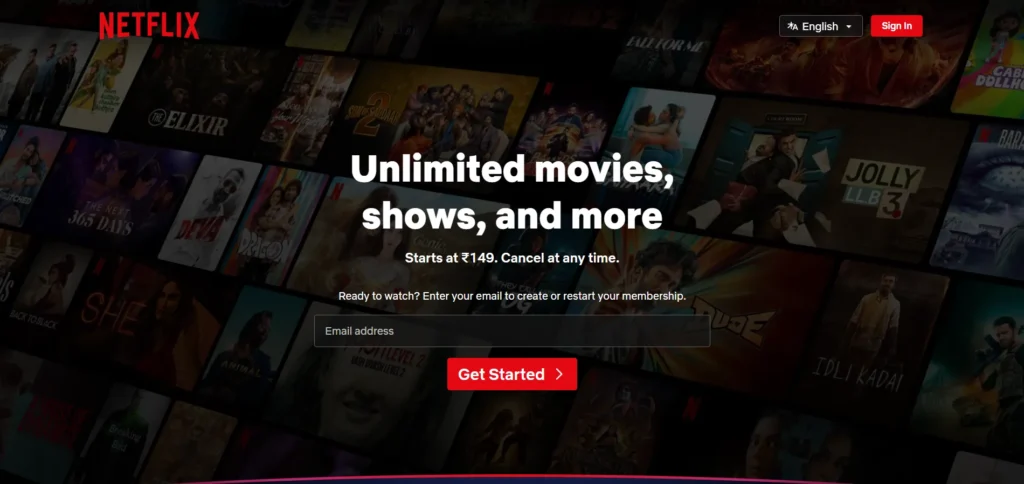
- Content: Netflix is known for its vast library of original content, including hit series like Stranger Things, The Crown, and The Witcher. It also has a large selection of movies and TV shows across all genres.
- Pricing: Netflix has three plans — Basic, Standard, and Premium. The basic plan includes ads and restricts viewing to one screen at a time, while the Premium plan allows for four simultaneous streams and access to 4K content.
- Best For: Binge-watchers, original content lovers, and families who want multiple streams.
2. Amazon Prime Video
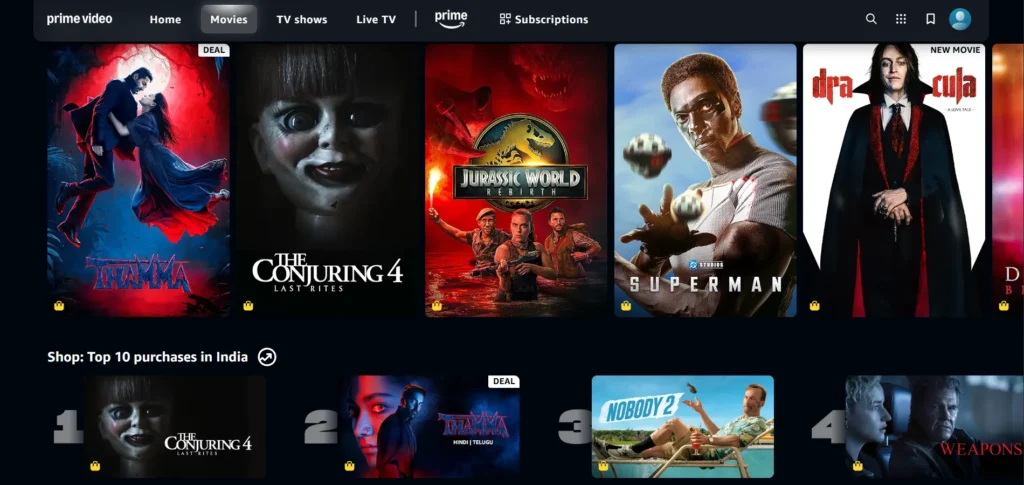
- Content: Prime Video offers a great mix of movies, TV shows, and original series like The Marvelous Mrs. Maisel and Jack Ryan. It’s often praised for having a vast library of classic movies as well.
- Pricing: Amazon Prime Video is included with an Amazon Prime membership, which also provides benefits for shopping, music, and more. There’s no separate plan, but the service is affordable considering its range of additional perks.
- Best For: Those who already use Amazon Prime for shopping and other benefits, movie lovers, and fans of original programming.
3. Disney+
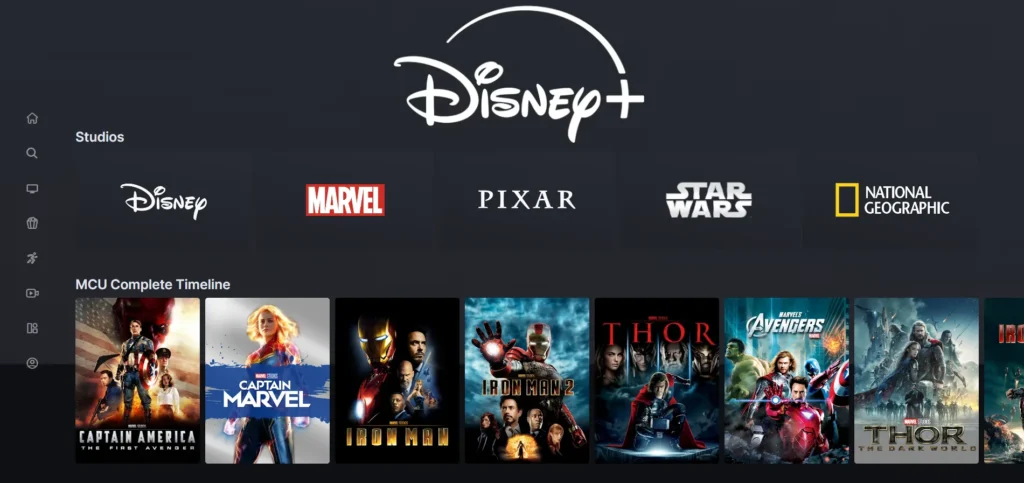
- Content: Disney+ is home to Disney classics, Pixar films, and a wealth of content from Marvel, Star Wars, National Geographic, and more.
- Pricing: Disney+ offers both individual and bundled pricing (with Hulu and ESPN+). The basic plan comes with ads, and the premium plan offers ad-free streaming.
- Best For: Families, kids, and anyone who loves Disney, Marvel, or Star Wars content.
4. Hulu
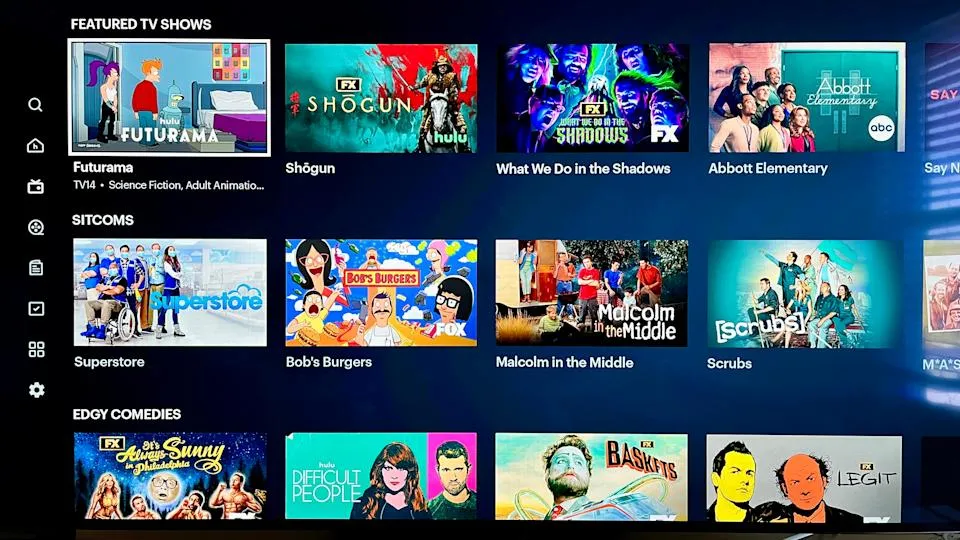
- Content: Hulu offers a large variety of TV shows, including current episodes of many popular series. It’s also home to a great collection of movies and exclusive series like The Handmaid’s Tale.
- Pricing: Hulu offers multiple pricing tiers, including an ad-supported version and a more expensive ad-free version. Hulu also offers live TV packages.
- Best For: TV show lovers, news junkies, and those who want to combine TV streaming with live channels.
5. Apple TV+
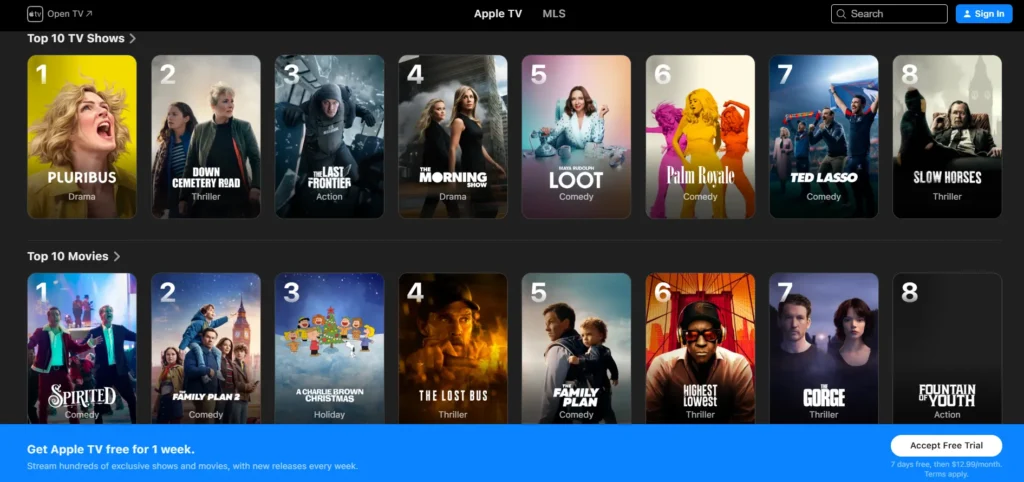
- Content: Apple TV+ focuses on original content, offering critically acclaimed series like Ted Lasso and The Morning Show. It doesn’t have as many movies or shows as Netflix, but its original programming is high quality.
- Pricing: Apple TV+ is relatively affordable and comes with a one-year free trial for new Apple device owners.
- Best For: Those who want high-quality original programming and don’t mind a smaller library.
Final Thoughts: How to Choose the Best Streaming Plan
The best streaming plan for you ultimately depends on how much you’re willing to spend, what you like to watch, and how you consume content.
- Set a budget: Determine how much you’re willing to spend on streaming each month. Keep in mind that some services offer bundles, so it’s worth considering a package that combines multiple services.
- Identify your content needs: Focus on the type of content you watch the most. Whether it’s movies, TV shows, or live sports, select a platform that best meets those needs.
- Consider extras: Look at any additional features, such as the ability to download content, the number of simultaneous streams allowed, and whether ads are included.
- Test the service: If you can, take advantage of free trials to test out different platforms before committing.
By understanding what each service offers and comparing the key factors, you’ll be able to find the best value streaming plan that works for you.
Remember, the goal is to make sure you’re paying for content you’ll actually use, while avoiding unnecessary add-ons or features that don’t align with your viewing habits.
FAQs
What factors should I consider when comparing streaming plans?
Look at the content library, pricing, streaming quality, number of simultaneous streams, and whether ads are included.
Is it better to get an ad-supported or ad-free streaming plan?
Ad-supported plans are cheaper, but ad-free plans offer a smoother, uninterrupted viewing experience.
How do I know which streaming plan gives me the best value?
Compare the price against the features you need, such as video quality, number of streams, and content availability.
Can I share a streaming plan with family or friends?
Many streaming services allow multiple users or simultaneous streams on one account, but check the plan details before sharing.
Are bundles with multiple streaming services worth it?
Bundles can offer better value if you want access to multiple platforms, but make sure you’re actually using the services included.


